Comprehensive Builders Waste Removal Services in Dulwich
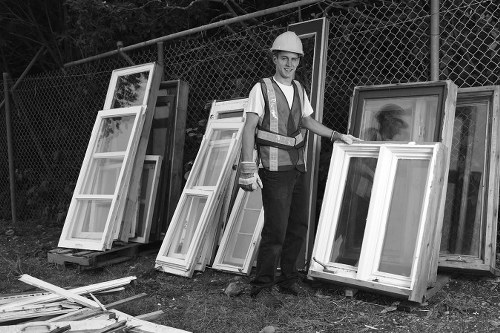
When it comes to **builders waste removal** in Dulwich, efficiency and reliability are paramount. Whether you're undertaking a major renovation or a minor repair project, managing the waste generated can be a daunting task. Proper waste removal not only ensures a clean and safe working environment but also contributes to environmental sustainability.
Builders waste encompasses a variety of materials, including concrete, wood, metals, bricks, and plastics. Each type of waste requires specific handling and disposal methods to comply with local regulations and minimize environmental impact.
Choosing the right waste removal service in Dulwich can make a significant difference in the success of your construction project. It ensures that waste is disposed of responsibly, freeing up space on your site and allowing work to proceed smoothly.
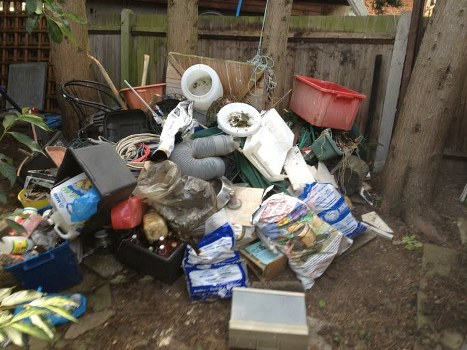
Why Proper Builders Waste Removal is Essential
Proper builders waste removal is essential for several reasons:
- Regulatory Compliance: Adhering to local waste management regulations helps you avoid legal penalties and ensures your project meets all necessary standards.
- Safety: Removing waste promptly reduces hazards on the construction site, preventing accidents and promoting a safer work environment.
- Environmental Protection: Responsible waste disposal minimizes the environmental footprint of your project, contributing to sustainability efforts.
- Cost Efficiency: Efficient waste removal can lower overall project costs by reducing the need for additional storage and preventing potential fines.
Investing in professional builders waste removal services ensures that all these aspects are managed effectively, allowing you to focus on the core aspects of your construction project.

Types of Builders Waste
Construction Debris
Construction debris includes materials like concrete, bricks, tiles, and rubble generated during demolition or construction activities. These materials are heavy and require specialized handling and transportation to designated disposal sites.
Wood Waste
Wood waste ranges from wooden planks and scrap to treated lumber. Proper disposal is crucial to prevent environmental contamination, especially if the wood is treated with chemicals or preservatives.
Metals
Metals such as steel, aluminum, and copper are common in construction projects. Recycling metal waste not only conserves resources but also reduces landfill burden.
Plastics and Polymers
Plastics used in construction, like PVC pipes and insulation materials, need careful disposal to prevent environmental degradation. Recycling options are available for certain types of plastic waste.

Benefits of Professional Waste Removal Services
Hiring a professional waste removal service in Dulwich offers numerous advantages:
- Expertise: Professionals are well-versed in handling different types of builders waste, ensuring each material is disposed of correctly.
- Time-Saving: Outsourcing waste removal allows you to focus on your construction tasks without worrying about managing waste logistics.
- Cost-Effective: Professional services can provide competitive pricing, reducing the overall cost compared to in-house waste management.
- Environmentally Friendly: Reputable waste removal companies prioritize recycling and sustainable disposal methods, minimizing environmental impact.
These benefits collectively enhance the efficiency and sustainability of your construction project.

Choosing the Right Waste Removal Service in Dulwich
Experience and Reputation
Look for companies with a proven track record in builders waste removal. Positive reviews and testimonials can indicate reliability and quality of service.
Licensing and Insurance
Ensure the waste removal service is properly licensed and insured. This protects you from potential liabilities and ensures the company adheres to industry standards.
Service Range
A comprehensive service range, including collection, transportation, and disposal, ensures all your waste management needs are met efficiently.
Recycling Practices
Choose a company that emphasizes recycling and sustainable practices. This not only benefits the environment but can also enhance your project’s sustainability credentials.
Pricing and Transparency
Transparent pricing with no hidden fees is crucial. Obtain detailed quotes and compare services to find the best value for your needs.
Steps in the Builders Waste Removal Process
Assessment and Planning
A thorough assessment of your project’s waste requirements enables the waste removal service to plan effectively. This includes estimating the volume of waste and identifying the types of materials to be disposed of.
Collection and Transportation
Efficient collection and transportation are critical to prevent waste accumulation on-site. Professional services use specialized vehicles and equipment to handle different waste types.
Sorting and Recycling
Sorting waste materials allows for effective recycling and disposal. Metals, wood, and plastics are segregated to maximize recycling opportunities and minimize landfill usage.
Disposal
Final disposal is conducted in accordance with local regulations, ensuring that hazardous materials are handled safely and non-recyclable waste is managed responsibly.
Environmental Impact of Builders Waste
Builders waste can have significant environmental impacts if not managed properly. It can lead to soil and water contamination, depletion of natural resources, and increased greenhouse gas emissions from landfills.
By implementing effective waste removal and recycling strategies, the construction industry can mitigate these impacts. Sustainable practices not only protect the environment but also enhance the industry’s reputation and compliance with environmental standards.
Emphasizing eco-friendly waste management is becoming increasingly important as stakeholders demand greater accountability and sustainability in construction projects.
Cost Factors in Builders Waste Removal
The cost of builders waste removal can vary based on several factors:
- Volume of Waste: The amount of waste generated directly influences the cost. Larger projects typically incur higher removal fees.
- Type of Materials: Hazardous or specialized materials may require additional handling and disposal fees.
- Frequency of Collection: Regular collection services may be more cost-effective for ongoing projects compared to ad-hoc pickups.
- Location: Accessibility of the construction site and proximity to disposal facilities can affect transportation costs.
Understanding these cost factors helps in budgeting and selecting a waste removal service that offers the best value for your project’s needs.
Regulations Governing Builders Waste Removal in Dulwich
Compliance with local regulations is mandatory for builders waste removal. These regulations ensure that waste is managed in a way that protects public health and the environment.
Licensing Requirements
Waste removal companies must obtain the necessary licenses to operate legally. This includes permits for transporting and disposing of various types of waste.
Disposal Standards
There are specific standards for disposing of different types of waste, such as hazardous materials, to prevent environmental contamination.
Reporting Obligations
Construction projects may be required to maintain records of waste generation and disposal, ensuring transparency and accountability in waste management practices.
Penalties for Non-Compliance
Failure to adhere to waste management regulations can result in hefty fines and legal consequences, making compliance essential for all construction projects.
Sustainable Practices in Builders Waste Removal
Recycling Initiatives
Implementing recycling initiatives helps in reducing the amount of waste sent to landfills. Materials such as metals, wood, and certain plastics can be recycled effectively.
Waste Minimization
Adopting strategies to minimize waste generation, such as precise measurement and efficient resource use, contributes to the sustainability of construction projects.
Use of Eco-Friendly Materials
Choosing eco-friendly building materials reduces the environmental impact and facilitates easier waste management and recycling.
Energy-Efficient Operations
Utilizing energy-efficient equipment and vehicles in waste removal processes lowers the carbon footprint of construction activities.
Education and Training
Educating construction teams about sustainable waste management practices ensures that waste is handled responsibly throughout the project lifecycle.
Technology in Builders Waste Removal
Advancements in technology have revolutionized builders waste removal, making the process more efficient and sustainable.
Automated Sorting Systems
Automated systems enhance the accuracy and speed of waste sorting, increasing recycling rates and reducing labor costs.
Tracking and Management Software
Software solutions provide real-time tracking and management of waste disposal, ensuring compliance and optimizing logistics.
Electric and Hybrid Vehicles
The use of electric and hybrid vehicles in waste transportation reduces emissions and contributes to a greener construction industry.
Advanced Recycling Technologies
Innovative recycling technologies enable the processing of a wider range of materials, improving overall waste management effectiveness.
Data Analytics
Data analytics helps in identifying waste patterns and implementing strategies for waste reduction and resource optimization.
Case Studies: Successful Builders Waste Removal in Dulwich
Several construction projects in Dulwich have successfully implemented effective waste removal strategies, setting benchmarks for the industry.
Residential Development Project
A large residential project partnered with a professional waste removal service to manage construction debris. Through efficient sorting and recycling, the project reduced waste by 40% and streamlined site operations.
Commercial Renovation
In a commercial renovation, the waste removal company utilized advanced tracking software to monitor waste generation. This approach ensured compliance with regulations and optimized disposal processes.
Public Infrastructure Project
A public infrastructure project in Dulwich implemented sustainable waste practices by recycling 60% of the construction materials, significantly lowering the project's environmental impact.
Future Trends in Builders Waste Removal
The builders waste removal industry is evolving, with several trends set to shape its future:
- Increased Recycling: Enhanced recycling technologies and practices will continue to rise, promoting higher recycling rates.
- Circular Economy: Embracing the circular economy model, where materials are reused and recycled indefinitely, will become more prevalent.
- Digital Transformation: The integration of digital tools and platforms for waste management will enhance efficiency and transparency.
- Green Building Standards: Stricter green building standards will drive the adoption of sustainable waste management practices.
- Collaborative Efforts: Increased collaboration between construction firms and waste removal services will foster innovative solutions for waste management.
Staying abreast of these trends ensures that your construction projects remain compliant, efficient, and environmentally responsible.
Challenges in Builders Waste Removal
Regulatory Compliance
Navigating complex waste management regulations can be challenging, especially for large projects. Staying informed and partnering with knowledgeable services helps in maintaining compliance.
Waste Segregation
Effective segregation of different waste types is essential but can be time-consuming. Proper training and systems are necessary to ensure accurate sorting.
Logistical Constraints
Limited access to construction sites and tight schedules can complicate waste removal logistics. Efficient planning and flexible services are crucial to overcoming these obstacles.
Cost Management
Balancing the cost of waste removal with project budgets requires strategic planning and negotiation with service providers to secure the best rates.
Environmental Impact
Minimizing the environmental impact of waste disposal remains a significant challenge, necessitating ongoing efforts to adopt sustainable practices.
How to Improve Builders Waste Removal Practices
Adopt Sustainable Materials
Using eco-friendly building materials reduces the amount of harmful waste generated and facilitates easier recycling.
Implement Efficient Sorting Systems
Establishing effective sorting systems on-site ensures that different types of waste are separated correctly, enhancing recycling efforts.
Partner with Reputable Waste Removal Services
Collaborating with experienced and responsible waste removal companies ensures that waste is managed correctly and sustainably.
Educate Your Team
Providing training and resources to your construction team about proper waste management practices fosters a culture of responsibility and sustainability.
Monitor and Evaluate
Regularly monitoring waste generation and removal processes allows for continuous improvement and adherence to best practices.
Conclusion
Effective builders waste removal in Dulwich is a critical component of any construction project. It ensures compliance with regulations, promotes safety, and contributes to environmental sustainability. By choosing the right waste removal service, adopting sustainable practices, and staying informed about industry trends, you can manage construction waste efficiently and responsibly.
Don't let waste hinder your construction progress. Contact us today to book your builders waste removal service in Dulwich and ensure your project runs smoothly and sustainably.