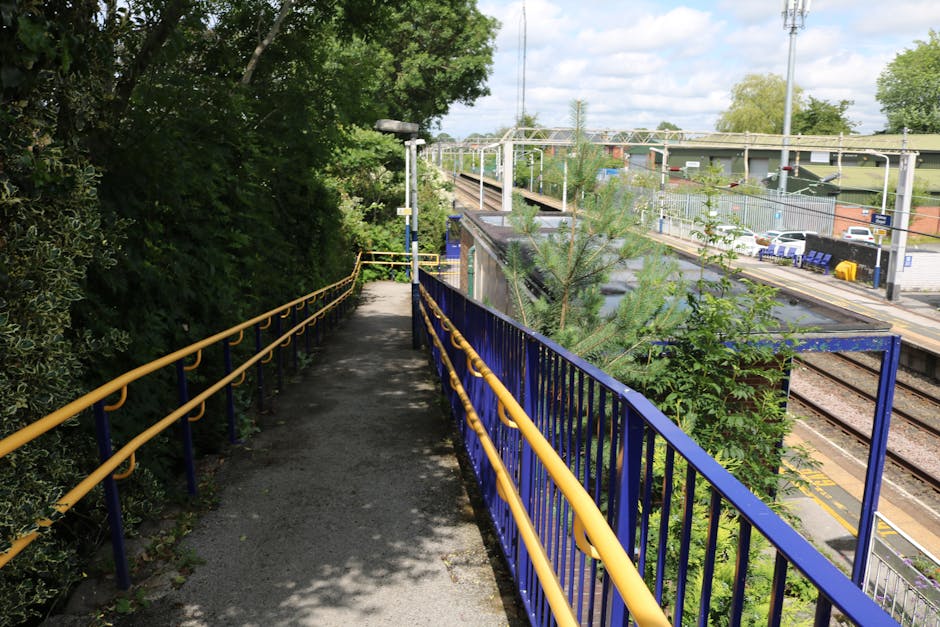
North Dulwich Station Rubbish Collection Access Tips
If you are trying to organise waste removal near North Dulwich Station, the tricky part is often not the rubbish itself. It is the access. Narrow residential roads, parked cars, timing around station traffic, and awkward loading points can turn a simple collection into a bit of a faff. The good news? With the right North Dulwich Station Rubbish Collection Access Tips, you can make the job smoother, quicker, and usually less stressful.
This guide is for anyone arranging rubbish collection, skip hire, or a man-and-van clearance around the station area. We will look at how access really works, what causes delays, which service type suits different jobs, and how to prepare so the crew can get in, load up, and get out without drama. A bit of planning goes a long way. Truth be told, it saves everyone time.
Table of Contents
- Why North Dulwich Station Rubbish Collection Access Tips Matters
- How North Dulwich Station Rubbish Collection Access Tips Works
- Key Benefits and Practical Advantages
- Who This Is For and When It Makes Sense
- Step-by-Step Guidance
- Expert Tips for Better Results
- Common Mistakes to Avoid
- Tools, Resources and Recommendations
- Law, Compliance, Standards, or Best Practice
- Options, Methods, or Comparison Table
- Case Study or Real-World Example
- Practical Checklist
- Conclusion
- Frequently Asked Questions
Why North Dulwich Station Rubbish Collection Access Tips Matters
Access is often the difference between a tidy, efficient collection and a frustrating delay. Around North Dulwich Station, you may be dealing with residential parking pressure, school-run traffic, occasional congestion, and properties where the front door is not exactly steps from the road. If a collection team cannot park nearby or reach the waste safely, the job can take longer or need a different approach entirely.
That matters for three reasons. First, time on site affects cost and scheduling. Second, access problems can limit the type of vehicle or container that can be used. Third, poor access can create safety issues for the crew and for neighbours passing by. Nobody wants a bin bag procession along a cramped pavement at 8:15 in the morning. It is not ideal, to put it mildly.
Good access planning also helps you choose the right service. A skip, for example, might suit a front driveway or a wide enough parking area, while wait and load skip hire can be better where long roadside placement is awkward. If the waste is scattered or heavy, rubbish removal may be the more practical option. That is the kind of decision that becomes obvious once you understand the site conditions.
Key takeaway: around North Dulwich Station, waste collection works best when you plan for parking, loading distance, timing, and safety before the vehicle arrives, not after.
How North Dulwich Station Rubbish Collection Access Tips Works
At a practical level, access tips are just a way of matching the collection method to the property layout and road conditions. The process usually starts with a quick assessment: where can the vehicle stop, how far is the waste from that point, is the route clear, and will the load need lifting by hand or mechanical assistance?
In a typical local collection, the team will think through:
- vehicle size and turning space
- parking restrictions or permit requirements
- distance from waste to vehicle
- stairs, gates, narrow paths, or shared entrances
- the weight and type of waste
- whether loading will need to happen quickly at the kerbside
That last point is important. Some services are much more flexible than others. A crew offering man and van collection can often navigate awkward access better than a static container, because the team can work in smaller loads and adapt on the spot. For bigger projects, though, a managed solution such as site clearance or builders waste removal may be more efficient if there is enough room to stage waste safely.
Near a station, timing matters as much as space. Early mornings may be calmer in some respects, but rail commuters, delivery vans, and local parking patterns can still complicate things. Midday can be easier for access in some roads, while other streets feel busy all day. There is no one perfect slot. It depends on the road, the property, and the volume of waste.
One simple rule helps: if a collection vehicle cannot reasonably stop close enough to load safely, you need to change the plan, not just hope for the best. Hope is not a loading strategy.
Key Benefits and Practical Advantages
Getting access right is not just about convenience. It has real, day-to-day benefits that show up in the smoothness of the job and the final bill. In our experience, the difference is obvious the moment the truck arrives.
- Less waiting time: clear access usually means quicker loading and fewer awkward manoeuvres.
- Lower risk of extra charges: some delays come from blocked routes, wrong parking assumptions, or wasted labour time.
- Safer handling: shorter carry distances reduce the chance of drops, trips, or strained lifting.
- Better neighbour relations: a tidy, efficient collection creates less disruption on the street.
- More suitable service choice: once you know the access limits, you can pick a skip, wait-and-load, grab hire, or clearance service more sensibly.
There is also a surprisingly practical benefit: calmer decision-making. When you know in advance whether a road is suitable for a skip delivery, or whether skip permits may be needed, the whole thing feels less rushed. And rushing is when avoidable mistakes happen.
If you are clearing a property, especially after a move, renovation, or a bereavement, this matters even more. The fewer surprises, the better. Nobody wants a collection day that turns into a small logistics exercise before coffee.
Who This Is For and When It Makes Sense
This topic is useful for a wide mix of people, and the access challenge looks slightly different for each one.
- Homeowners and tenants: useful for household clear-outs, bulky items, or end-of-tenancy rubbish.
- Landlords and letting agents: helpful when turnaround times are tight and the property needs to be left tidy.
- Builders and tradespeople: important where work is happening on streets with tight parking or shared access.
- Small businesses: handy for office moves, stock disposal, or light commercial waste.
- Property managers: useful when scheduling collections without upsetting residents or blocking shared routes.
It makes particular sense when waste is not sitting in one easy-to-reach pile. Think of items in a basement, garden, side return, loft, rear alley, or up a narrow staircase. In those cases, the access plan can matter more than the disposal method itself.
For example, if you are emptying a loft and the only exit is a tight staircase, a service such as house clearance or garage and loft clearance may be much more suitable than trying to manage a skip alone. Likewise, garden waste is often better handled through garden waste removal if the access route is narrow or the material is loose and awkward.
Ask yourself a simple question: can the waste be reached cleanly, safely, and without moving half the street? If the answer is no, then access planning is already the priority.
Step-by-Step Guidance
Here is a straightforward way to approach collection access around North Dulwich Station. It is not fancy, but it works.
- Identify the exact waste location. Is it front-of-house, rear access, a garden, a flat, a loft, or a driveway? The route matters as much as the pile.
- Measure the carry distance. Even a rough estimate helps. Ten metres is very different from forty, especially with heavy bags or awkward furniture.
- Check vehicle access. Look for bollards, tight turns, low branches, parked cars, one-way restrictions, and the width of the road at its narrowest point.
- Consider loading time and street activity. If the road is busy near school drop-off or commuter peaks, another time window may be better.
- Choose the right collection method. A skip suits some jobs, while grab hire services may suit bulk waste where a fast mechanical load is useful. For quick access and no roadside waiting, same-day skip hire can sometimes help if the site conditions allow it.
- Prepare the area in advance. Move cars, open gates, clear the route, and keep fragile items out of the path.
- Separate the waste types. Grouping recyclable material, general waste, and specialist items saves time and reduces confusion on collection day.
- Confirm any permit or parking needs early. If a skip or vehicle needs to be on the road, this step should not be left to chance.
A small tip that makes a big difference: stand where the vehicle will likely stop and look back to the waste point. If the route feels awkward on foot, it will feel awkward with someone carrying a heavy mattress. That little visual check catches more problems than people expect.
Expert Tips for Better Results
Here are the practical details that often separate a smooth collection from a messy one. These are the sort of things that do not always get mentioned in a quick quote conversation, but they matter.
1. Book with access in mind, not just volume
A small load in a difficult location can be more complicated than a larger load in an easy one. A few bulky items up a narrow stairwell may need more labour than a whole driveway full of bagged waste. Do not size the job by eye alone.
2. Photograph the access route
A couple of quick photos can help a provider understand steps, gates, kerb height, or limited parking. It is a simple habit, but a useful one. In our experience, a good photo cuts out half the back-and-forth.
3. Keep the route dry and clear if you can
Wet leaves, loose gravel, cables, and trailing bin bags are all minor hazards that become a real nuisance when moving items in and out. If the collection is happening in the morning, even a damp pavement can slow things down. Nothing dramatic, just enough to matter.
4. Ask what happens if access changes on the day
Sometimes a van is parked where it should not be, or a neighbour's car blocks the route. A reliable operator should be able to explain the fallback plan. That might mean waiting briefly, changing the loading point, or switching to a different method.
5. Match the service to the waste type
Heavy rubble, mixed builders waste, old furniture, confidential paper, appliances, and garden clippings all behave differently. A good match saves time and reduces handling issues. For example, construction waste disposal suits renovation debris, while fridge and appliance removal is more appropriate for white goods that need careful handling.
6. Think about neighbours and shared spaces
If the route passes through a shared hallway, communal garden, or tight driveway, give people a heads-up. It keeps the day civilised. A two-minute warning can save a twenty-minute awkward conversation later.
And if the waste includes heavier or messier material, a service like muck away services may be useful where hand-loading would be slow or impractical. It is often the quieter route, if that makes sense.
Common Mistakes to Avoid
Most access issues are preventable. The problem is that people often only notice them once the collection day is already here.
- Assuming any road will do: some streets simply do not suit larger vehicles or roadside containers.
- Leaving parking until the last minute: a blocked space can derail the whole schedule.
- Forgetting about carry distance: what looks "close enough" on a plan may feel very far in practice.
- Mixing hazardous items with general rubbish: this can create safety and compliance problems.
- Not checking item restrictions: certain waste needs special handling, and not everything belongs in the same load.
- Overfilling the area: if the waste is stacked in a way that blocks the path, the crew may have to spend time reworking it first.
- Choosing the wrong service model: for some sites, a skip is fine; for others, a collection crew that loads quickly is simply better.
One common error is underestimating how much effort goes into moving items from the back of a property to the vehicle. A sofa from a first-floor flat with a narrow turn in the hallway is not the same as a few bags at the kerb. Everyone knows this in theory, but it still catches people out.
Another one: forgetting that access can change by time of day. A road that feels manageable at 10 a.m. may feel tight by late afternoon. The street has a rhythm. Once you notice it, you cannot unsee it.
Tools, Resources and Recommendations
You do not need specialist equipment to plan access well, but a few simple tools make the process easier.
| Tool or resource | Why it helps | Best use case |
|---|---|---|
| Measuring tape or laser measure | Gives a better sense of carry distance and route width | Flats, side passages, awkward gardens |
| Phone camera | Captures gates, stairs, parking pressure, and loading points | Quoting and pre-checks |
| Notebook or phone notes | Helps track waste type, access notes, and timing | Multi-room clear-outs and phased jobs |
| Calendar reminders | Useful for permit dates, booking windows, and access slots | Road-side collections and planned works |
| Service comparison | Helps match access conditions with the right method | Choosing between skip, grab, or man and van |
As a practical recommendation, look at the waste first and the route second, then compare both against the service. That order sounds obvious, but people often reverse it and regret it later. If your job involves renovation debris, take a look at builders skip hire or construction waste clearance depending on how easy the site is to reach.
If security is a concern, especially where waste will sit outside for any length of time, enclosed and lockable skip hire may be worth considering. It is not always necessary, but on busy roads it can be reassuring.
Law, Compliance, Standards, or Best Practice
Waste collection around North Dulwich Station should be handled in line with UK waste rules and normal local best practice. You do not need to become a legal expert, but you do need to avoid creating nuisance, unsafe access, or improper disposal. A reputable provider should be able to explain how they handle collection, transport, and responsible disposal in plain English.
In practical terms, the main points to keep in mind are:
- Safe access: waste should be moved without creating unnecessary risk to workers, residents, or passers-by.
- Appropriate segregation: certain materials may need separate handling rather than being mixed together.
- Parking and permits: if a container or vehicle needs to occupy public road space, check requirements in advance.
- Duty of care: waste should go to a legitimate, responsible destination rather than being handed off casually.
- Neighbour consideration: keep noise, obstruction, and mess to a reasonable level.
There is also a best-practice side to this, and it is often overlooked. If you have confidential papers, office material, or personal records mixed into the load, something like confidential shredding may be a safer route than general disposal. Likewise, for jobs where recycling matters, waste recycling services can support a cleaner outcome when the material is suitable.
For straightforward reassurance, it is worth checking a provider's service pages on safety and care before booking. That tends to tell you more than a shiny sales pitch ever will.
Options, Methods, or Comparison Table
Different access situations call for different solutions. The table below gives a practical comparison, not a one-size-fits-all answer.
| Method | Best for | Access strengths | Things to watch |
|---|---|---|---|
| Skip hire | Renovation waste, mixed household clear-outs, repeated loading | Handy where there is space to place a container | Needs suitable parking or driveway space; permits may be needed |
| Wait and load | Short jobs, roads with limited parking, quick kerbside loading | No long roadside occupation | Requires the waste to be ready and access to be efficient |
| Man and van | House clearances, bulky items, flexible loading | Adapts well to awkward routes and smaller entrances | Can be slower for large heavy volumes |
| Grab hire | Bulk waste, soil, rubble, larger outdoor piles | Useful where waste is reachable from the roadside | Needs enough reach and space for the grab arm |
| Site or construction clearance | Ongoing projects, multiple waste types, larger jobs | Can be planned around active work areas | Requires coordination and clear site access |
If your access is tight but your waste is fairly light, a flexible pickup service may be the simplest answer. If your load is heavy and bulky, mechanical support could make more sense. And if the site is straightforward, a standard skip can be the easiest option of all. Simple as that, really.
Case Study or Real-World Example
Consider a typical scenario near North Dulwich Station: a two-storey terraced property with a rear garden, limited front parking, and a collection of mixed items after a renovation and a clear-out. The owners originally thought a skip would be easiest, but the road was tight and parking was already busy by mid-morning.
After checking the access route, they realised the main challenge was not volume. It was the combination of a narrow frontage, a side gate that only opened halfway, and a carry route that would have crossed a shared path. A simple roadside skip would have caused delays and a fair bit of neighbour friction.
Instead, they arranged a more flexible collection approach. The waste was sorted in advance: rubble in one area, old furniture in another, and lighter bagged waste kept separate. Gates were propped open, the driveway was cleared, and the team could load in a sensible sequence rather than constantly stepping around obstacles.
The result was not dramatic, but it was exactly what you want: no fuss, no blocked entrance, and no last-minute panic over a car parked in the wrong place. The lesson is a useful one. The right collection method is usually the one that fits the access, not the one that sounds simplest on paper.
That is often the difference between a job that feels under control and one that starts well and then wobbles. Small detail, big impact.
Practical Checklist
Use this checklist before collection day. It is the kind of list that saves headaches later.
- Confirm the waste type and volume.
- Walk the route from the waste to the vehicle parking point.
- Measure tight gaps, gates, and stair widths if needed.
- Check for parked cars, bollards, low branches, or timed restrictions.
- Decide whether skip hire, wait and load, grab hire, or man and van is the best fit.
- Separate bulky items, general rubbish, recyclables, and specialist waste.
- Clear the loading area and remove obstacles.
- Tell neighbours or household members if access will be temporarily affected.
- Arrange any permits, permissions, or parking solutions in advance.
- Keep contact details handy in case the crew needs clarification on the day.
Quick summary: if the route is clear, the waste is sorted, and the service matches the site, collection day usually goes exactly the way you hoped it would. Quietly, efficiently, done.
Get a free quote today and see how much you can save.
Conclusion
North Dulwich Station rubbish collection is much easier when you think about access before you think about loading. That means checking the route, understanding the road layout, choosing the right service, and preparing the site so the crew can work safely and efficiently. None of it is complicated, but each step matters.
Whether you are clearing a home, handling builder's waste, or moving bulky items from a tight property, the same principle applies: match the collection to the access, not the other way round. Do that well and the whole process feels calmer, cleaner, and far less stressful.
And honestly, that is what most people want at the end of the day - a simple job done properly, with no surprises. Nice and tidy. Job done.
Frequently Asked Questions
What are the most important North Dulwich Station rubbish collection access tips?
The biggest tips are to check parking, measure the carry route, clear obstacles, and choose a collection method that fits the site. A narrow road or awkward entrance can matter more than the waste volume itself.
Is skip hire always the best option near North Dulwich Station?
Not always. Skip hire works well when there is enough space for delivery and loading, but tighter roads or limited parking may make wait and load, man and van, or grab hire more practical.
How far from the road can rubbish be collected safely?
That depends on the weight, volume, and type of waste, as well as the access route. Light bagged waste is easier to move than heavy furniture or rubble. If the carry feels awkward for you, it will likely be awkward for the crew too.
Do I need a permit for rubbish collection access?
You may need one if a skip, vehicle, or container will occupy public road space. The exact requirement depends on the setup and location, so it is sensible to check early rather than leave it until the last minute.
What if a parked car blocks the collection point?
If the collection point is blocked, the crew may need to wait, change the loading position, or reschedule. This is one reason why confirming parking arrangements before the day is so helpful.
Which service is best for a flat with narrow stairs?
A man and van style service or a tailored clearance may suit a flat better than a skip, especially if the waste needs to be carried a long way or through tight communal spaces.
Can I put mixed waste together?
Some mixed waste can be collected together, but not everything should be combined. Hazardous items, appliances, and certain specialist materials often need separate handling. It is better to ask first than assume.
How do I make collection quicker on the day?
Sort the waste in advance, clear the route, open gates, and keep bags or items grouped by type. If the crew can see exactly what needs moving, the whole job tends to run more smoothly.
Is same-day rubbish collection possible near North Dulwich Station?
Sometimes, yes, if the schedule and access conditions allow it. Same-day collection is more likely to work when the waste is ready, the route is clear, and the service provider can get a vehicle close enough.
What should I do with bulky items like sofas or mattresses?
Bulky items are often best handled through a service designed for large furniture, such as mattress and sofa disposal. These items can be awkward in tight access areas, so planning the route matters.
How can I reduce disruption to neighbours?
Choose a sensible time slot, keep the loading area tidy, avoid blocking entrances, and give a brief heads-up if you are using shared access. A small bit of courtesy goes a long way, especially in a busy local street.
What is the safest way to handle waste with limited access?
The safest approach is usually to use the method that reduces manual carrying and avoids unnecessary lifting. That might be a clearance crew, grab hire, or a carefully planned skip placement depending on the site.